










Mother’s Day has always carried a quiet contradiction.
It’s a holiday built around gratitude, care, and appreciation — and yet so much of the modern gift economy revolves around things that are disposable, overpackaged, and quickly forgotten. The flowers shipped overnight. The novelty items bought in a rush. The products designed less to last than to perform thoughtfulness for a single day.
But the best gifts rarely work that way.
The gifts people remember are usually the ones that become part of daily life: the mug used every morning, the blanket pulled over tired shoulders at the end of the day, the garden that keeps growing long after May is over.
Sustainable gifts matter for the same reason sustainability itself matters. They shift the focus from consumption to longevity. From impulse to intention.
And Mother’s Day, in its own small way, is an opportunity to practice that.
What Makes a Gift Sustainable?
A sustainable gift doesn’t have to be austere or overly practical. It doesn’t mean giving someone bamboo utensils and calling it luxury.
The best sustainable gifts do three things:
- They are genuinely useful
- They are made to last
- They reduce waste or support ethical production in some meaningful way
That can mean reusable household products. Fair-trade artisan goods. Organic textiles. Locally made foods. Experiences instead of objects. Or simply buying fewer, better things.
The point is not perfection. The point is choosing gifts that align with the values many mothers already practice every day: care, stewardship, resilience, and thoughtfulness.
Here are eight sustainable Mother’s Day gift ideas that feel meaningful without feeling performative.

1. Organic Cotton Robes and Loungewear
There’s a reason robes are classic Mother’s Day gifts. They signal rest.
But sustainably made robes — particularly those made from organic cotton — also avoid many of the pesticides and chemical-intensive processes associated with conventional textile production.
A well-made robe becomes the kind of thing someone uses for years. Morning coffee. Late-night reading. Slow weekends.
That’s the hidden advantage of sustainable gifts: longevity creates emotional value.
Look for:
- Organic cotton certification
- Fair-trade manufacturing
- Durable stitching and timeless design

2. Reusable Kitchen Staples
One of the simplest ways to reduce household waste is by replacing products used constantly.
Reusable beeswax wraps, washable paper towels, cloth napkins, and refillable kitchen containers may sound small. But small systems shape everyday life.
And unlike many “eco-friendly” products, these are not symbolic gestures. They are functional upgrades.
The beauty of reusable kitchen gifts is that they quietly become habit-forming. Sustainability stops feeling like effort and starts feeling normal.
3. Gardening Kits and Herb Sets
Gardening has become something larger than a hobby in recent years.
Partly because food prices continue rising. Partly because people want more connection to what they consume. And partly because tending something living feels increasingly grounding in a world built around screens.
A gardening gift can be as simple as:
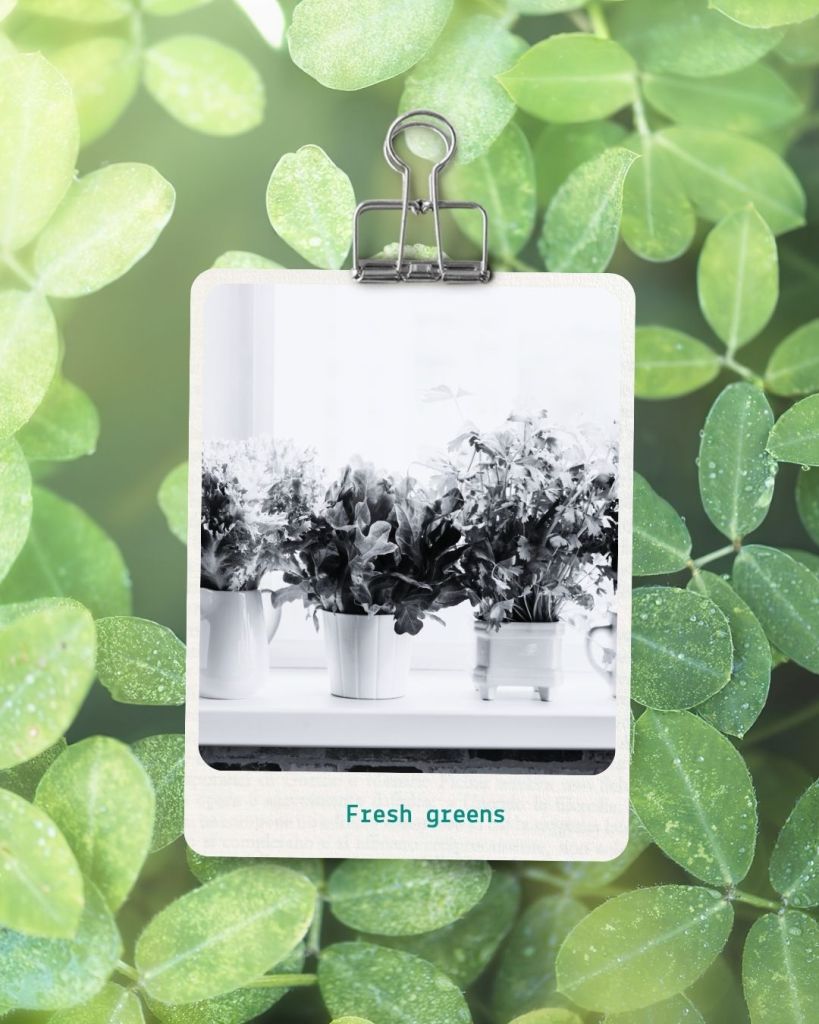
- A windowsill herb garden
- Native wildflower seeds
- Pollinator-friendly plants
- A gardening-and-tea gift set
- Handmade ceramic planters
It’s a gift that keeps producing value long after the holiday ends.
4. Fair-Trade Self-Care Products
The modern wellness industry often sells self-care as consumption. Buy more candles. More creams. More products.
But sustainable self-care shifts the emphasis toward craftsmanship and ethical sourcing.
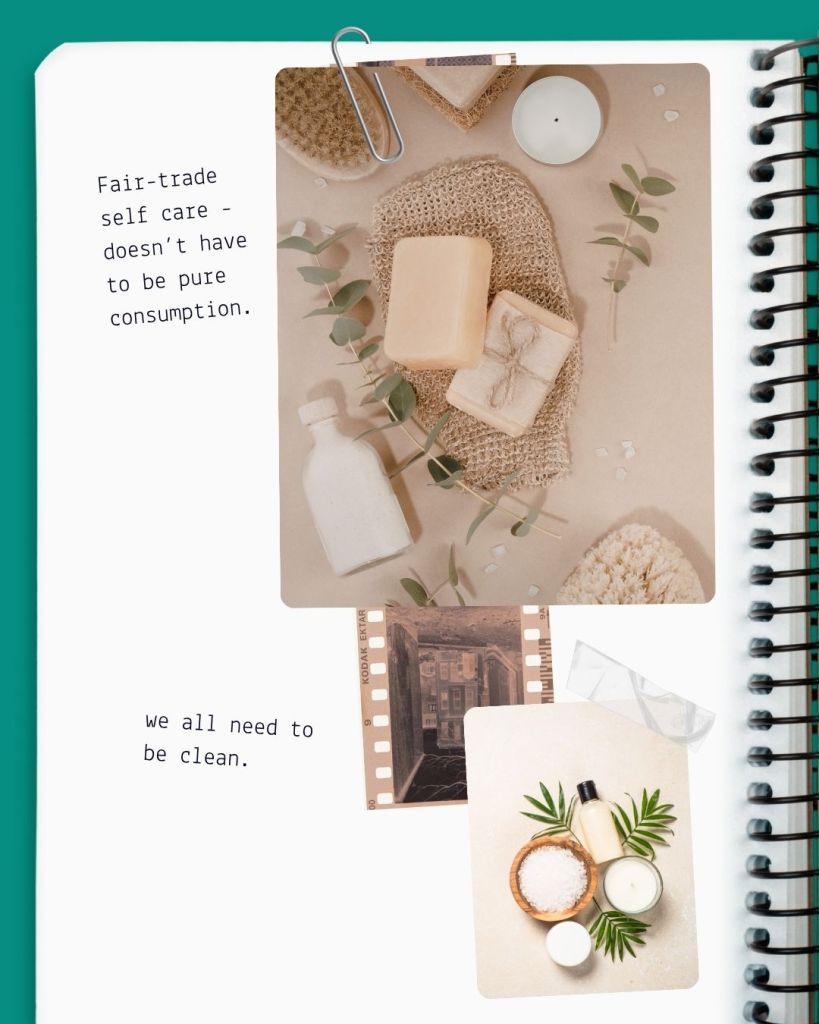
Fair-trade soaps, handmade body oils, ethically sourced candles, and artisan bath products can create the same feeling of luxury while supporting small producers and more responsible supply chains.
The best versions feel personal rather than mass-produced.

5. Compostable or Low-Waste Everyday Tech Accessories
Most people replace phone cases constantly. Few think about where the old ones go.
Compostable phone cases, recycled-material tech organizers, and sustainably sourced accessories are useful precisely because they fit into routines people already have.
The most effective sustainable products are often invisible in this way. They don’t require lifestyle reinvention. They simply make existing habits less wasteful.

6. Handmade Artisan Goods
There’s a difference between something manufactured and something made.
Handmade gifts carry evidence of human time: stitching, glazing, weaving, carving. They feel specific rather than interchangeable.
Fair-trade artisan products — pottery, woven baskets, hand-poured candles, textiles — also tend to support smaller-scale economies rather than industrial mass production.
And increasingly, people are rediscovering the emotional value of objects with stories behind them.

7. Reusable Beauty and Skincare Products
The average skincare routine generates far more waste than most people realize: cotton pads, wipes, packaging, disposable applicators.
Reusable facial rounds, refillable skincare systems, safety razors, and low-waste beauty kits reduce that footprint without sacrificing quality.
Importantly, these products don’t ask people to give something up. They simply replace disposable systems with durable ones.
That distinction matters.
People are far more likely to maintain sustainable habits when they improve daily life instead of complicating it.
8. Experiences Instead of Stuff
Sometimes the most sustainable gift is not a product at all.
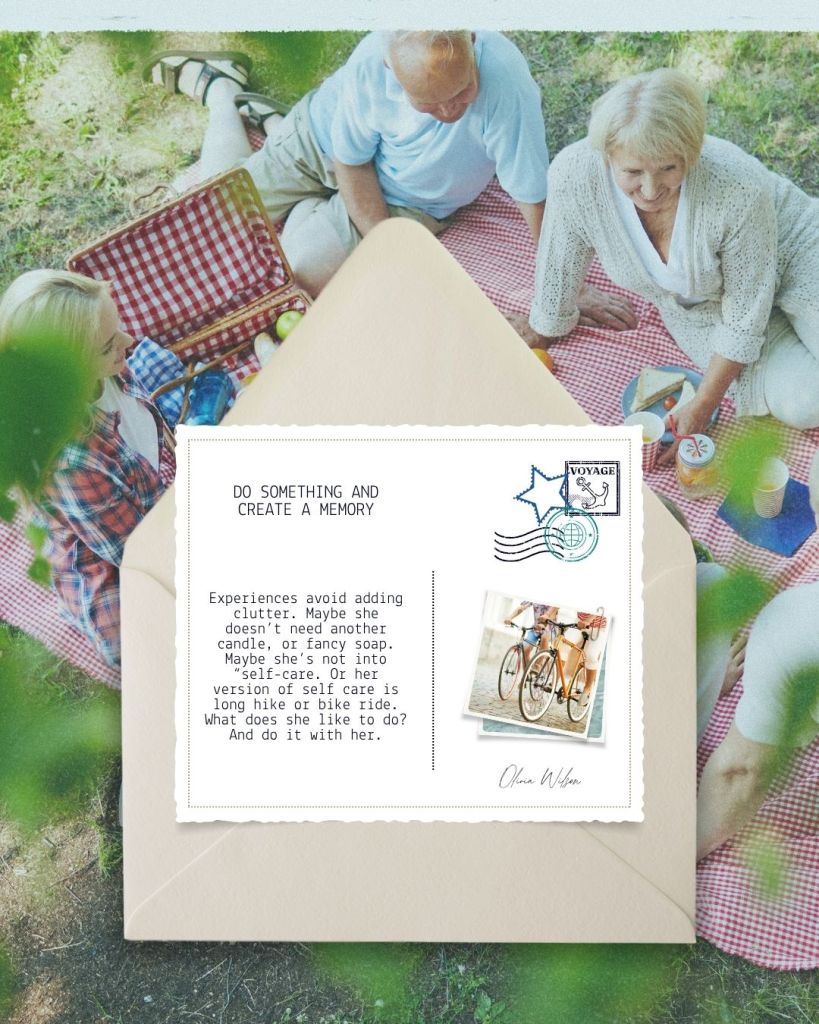
A cooking class. Spa day. Concert tickets. Botanical garden membership. Weekend getaway. Family picnic. Bike tour. Pottery workshop.
Experiences avoid clutter while creating something physical objects often cannot: memory.
And in many ways, that reflects a broader cultural shift already underway. Increasingly, people are valuing time, presence, and connection over accumulation.
Mother’s Day may be especially suited to that shift.
Because the holiday, at its core, is not really about objects. It’s about recognition.
The Deeper Shift Behind Sustainable Gifting
What makes sustainable gifting powerful is not simply the environmental impact — though that matters.
It’s the philosophy underneath it.
Sustainable gifts ask a different question than traditional consumer culture does.
Not:
“How impressive is this?”
But:
“How useful will this still feel a year from now?”
That’s a surprisingly meaningful distinction.
Because the best gifts, much like the best relationships, are rarely optimized for spectacle. They are optimized for endurance.
And maybe that’s the real lesson behind sustainable Mother’s Day gifts.
Thoughtfulness is not about excess.
It’s about choosing something carefully enough that it continues to matter after the holiday is over.