
If you’ve ever wanted to generate your own clean electricity and reduce the cost of your electricity bill but don’t have a roof for traditional solar panels, balcony solar could be an excellent solution. These compact solar systems are designed for apartments, condos, and other homes with limited space, making renewable energy more accessible than ever.
What Is Balcony Solar?
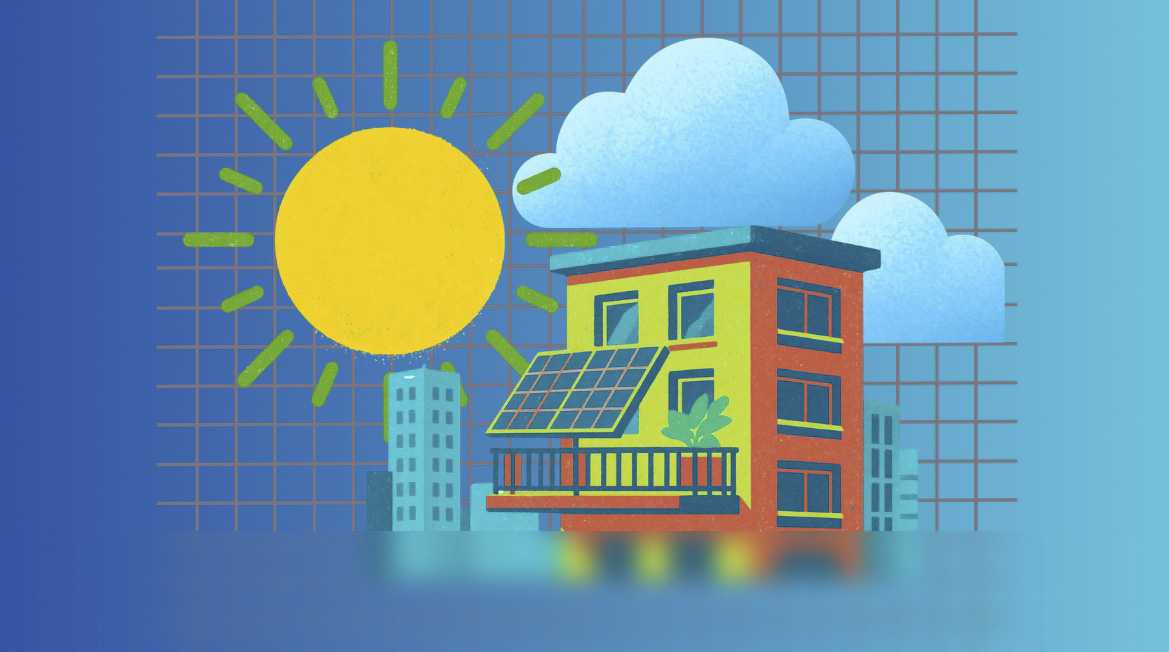
Balcony solar, also called plug-in solar, mini solar system, or balcony power station, is a compact photovoltaic setup designed to generate electricity for direct use in a home or apartment. Unlike traditional rooftop solar panels, these systems connect to a standard electrical outlet or dedicated socket. They are ideal for renters, apartment dwellers, or homeowners who cannot install conventional rooftop systems.
Unlike large rooftop solar installations that may require permits, professional installation, and significant investment, balcony solar systems are typically:
- Small and compact – you can even bring them with you if you move!
- Relatively affordable
- Easier to install
- Designed for renters and apartment owners
- Capable of reducing household electricity consumption
The electricity generated is usually consumed directly by appliances running in your home, helping reduce the amount of power you need to buy from the grid.
How Does Balcony Solar Work?
A basic balcony solar setup includes:
- 1-3 lightweight solar panels that capture sunlight.
- A microinverter that converts DC electricity into AC electricity.
- Mounting hardware that secures the panels.
- A low-voltage connection point that feeds electricity into your home.
During daylight hours, the system generates power that can be used by devices that are currently running, such as:
- Refrigerators
- Wi-Fi routers
- TVs
- Laptops
- Lighting
- Small appliances
Any electricity you generate and use yourself reduces your utility bill.
Why Are People Choosing Balcony Solar?
Lower Energy Bills
Even a small system can offset part of your daily electricity usage. While you shouldn’t expect to power an entire home, balcony solar can help cover your “base load” consumption.
Affordable Entry into Solar
Traditional rooftop solar systems can cost thousands of dollars. Balcony solar provides a lower-cost way to start producing renewable energy.
Ideal for Apartment Living
For many people, lack of roof access has been a major barrier to solar adoption. Balcony systems bring solar power to renters and urban residents.
Environmental Benefits
Every kilowatt-hour generated from solar reduces reliance on fossil fuel-based electricity and helps lower carbon emissions.
How Much Power Can a Balcony Solar System Produce?
Production depends on several factors:
- Number of panels
- Panel efficiency
- Access to sunlight and other weather conditions
As a general rule:
- South-facing balconies typically receive the most sunlight.
- East-facing balconies produce more power in the morning.
- West-facing balconies produce more power in the afternoon.
- Heavy shade can significantly reduce output.
A small system may generate enough electricity annually to offset a meaningful portion of an apartment’s daytime electricity use.
How to Get Started with Balcony Solar
1. Evaluate Your Balcony
Start by assessing:
- How much unobstructed sunlight the space receives
- Available mounting space
- Structural strength of railings or walls
- Safety considerations, especially in windy areas
Take note of nearby buildings, trees, and other sources of shade.
2. Check Local Regulations
Rules for balcony solar vary by location. Before purchasing equipment, verify:
- Building regulations
- Homeowners association requirements
- Landlord permissions
- Utility company policies
- Electrical safety requirements
Some jurisdictions have specific standards for plug-in solar systems.
3. Estimate Your Energy Usage
Review recent electricity bills to understand:
- Monthly consumption
- Daytime energy use
- Appliances that run continuously
This helps determine the appropriate system size.
4. Choose the Right Equipment
A typical starter system includes:
- One or two solar panels
- A certified microinverter
- Balcony mounting brackets
- Necessary wiring and connectors
Look for equipment from reputable manufacturers with strong warranties and safety certifications.
5. Consider Professional Installation
While some balcony systems are marketed as DIY products, professional installation can help ensure:
- Structural safety
- Electrical compliance
- Proper panel positioning
- Maximum energy production
6. Monitor Performance
Many modern systems include apps that allow you to track:
- Energy production
- Savings
- System performance
- Historical generation data
Monitoring helps you identify issues and optimize output.
Common Mistakes to Avoid When Selecting and Installing
Ignoring Shade
Even partial shading can significantly reduce solar production. Evaluate sunlight carefully before purchasing.
Buying the Cheapest Equipment
Quality matters. Reliable panels and inverters generally perform better and last longer.
Skipping Permission Checks
Always verify building and local requirements before installation.
Poor Panel Placement
The angle and direction of panels can have a major impact on energy generation.
Final Thoughts on Balcony Solar
For many apartment dwellers and renters, balcony solar offers a practical way to participate in the clean energy transition without investing in a full rooftop system. While it won’t eliminate your electricity bill, it can reduce ongoing energy costs, lower your environmental footprint, and provide valuable experience with solar energy.
If you have a sunny balcony, a suitable location, and the necessary approvals, balcony solar can be one of the simplest ways to start generating your own renewable electricity at home. Then again, the truly easiest way to lower your electricity bill is with community solar. The added bonus with balcony solar is you can combine it with community solar for added savings, which may not be the case with rooftop solar in your state.