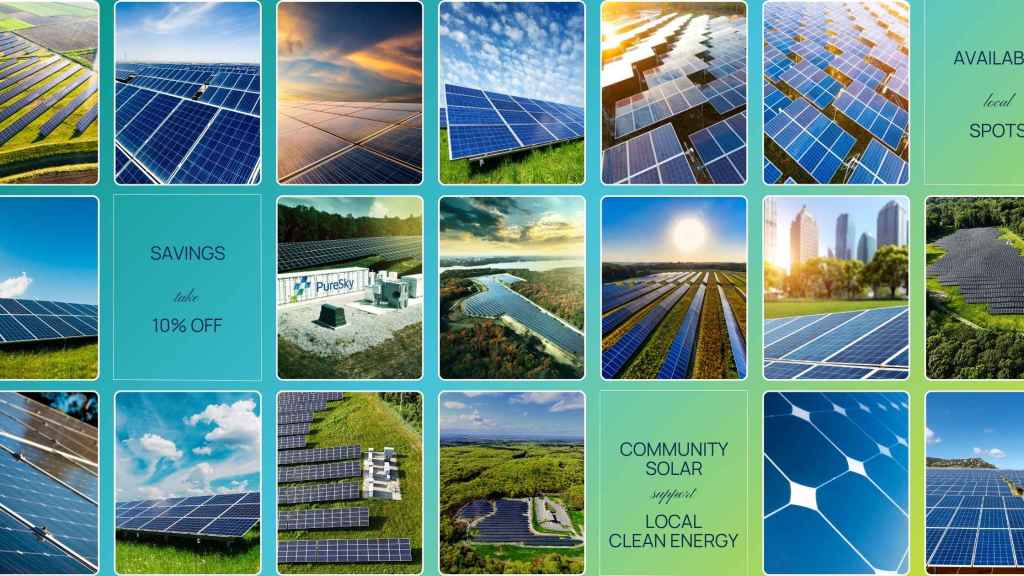










There are numerous benefits of community solar for both Homeowners’ Associations and for residents. It’s worth it to take a few moments and consider it.
Homeowners’ associations (HOAs) and their residents are increasingly exploring ways to reduce costs, boost sustainability, and improve quality of life within their communities. One solution gaining momentum is community solar, which offers access to clean energy without the need for individual rooftop installations or complicated maintenance. In this article, we’ll break down the key benefits of community solar for HOAs and residents, showing how this innovative approach can deliver savings, inclusivity, and a stronger sense of community while helping neighborhoods embrace a greener future.
Real Energy Cost Savings for Residents and HOAs with Community Solar
The most immediate benefit is lower electricity bills for participating residents. With typical savings in the 5–15% range, a household can save a few hundred dollars a year on power costs. For HOA members on fixed incomes or with high electric usage (e.g. large families, those who’ve been hit by utility rate hikes), this is tangible relief.
If the HOA also subscribes its common-area meters, the association itself saves money (for example, a clubhouse with a $200/month electric bill could save around $240 per year at 10% savings). These savings can help offset HOA fees or fund other needs.
Importantly, the cost savings come with zero upfront investment. Unlike rooftop solar where you’d spend thousands to install panels, community solar usually has no sign-up cost and no equipment cost – subscribers start saving in the very first month. This makes solar accessible to those who can’t afford big capital projects.
No Maintenance or Aesthetic Issues with Community Solar
Because the solar farm is off-site, neither the HOA nor the homeowners have to worry about maintaining solar equipment. The community solar provider handles all operations, repairs, insurance, etc. HOA architectural rules remain unaffected – there are no panels on roofs to conflict with design guidelines or cause neighbor disputes about appearance. This is a huge plus in HOA communities, where one of the common tensions with renewable energy has been visual uniformity and roof integrity. Community solar delivers the financial and environmental benefits of solar without any of those headaches. In short, community solar is truly invisible upgrade – no changes to homes, roofs, or landscaping.
Community Solar Supports HOA Sustainability Goals
Many HOA communities now have “green committees” or at least an increasing awareness of sustainability (some driven by residents’ interest, others by local government initiatives). Community solar is an easy, high-impact sustainability measure for an HOA. It directly contributes to adding more renewable energy to the grid – which reduces the community’s carbon footprint.
HOAs can incorporate community solar into their environmental goals or Climate Action Plans (if they have them). Even if only a fraction of residents participate, the HOA can publicize aggregate metrics like “Our community has subscribed to 500 kW of solar, offsetting about 600,000 kWh of grid electricity a year,” etc. This can improve the community’s public image and pride.
In communities that market themselves as eco-friendly or forward-looking (think modern developments or those near environmentally conscious urban areas), being affiliated with clean energy can enhance property values and attractiveness. It signals the HOA is progressive and cares about residents’ welfare (both financial and environmental).
Inclusive Access to Solar for All Residents
One of the beauties of community solar is that it works for homeowners and renters, for single-family homes and condos/apartments. In an HOA, you might have a mix of housing types or some residents who lease their home. Those folks likely couldn’t install their own solar panels (renters have no property rights to do so; condo owners often have limited roof space or need HOA permission). Community solar gives everyone a chance to participate in clean energy equally. This promotes a sense of community equity – the benefits (savings, pride in green energy) aren’t just limited to those with the most suitable roof or money.
Every resident can opt in to community solar if they choose, ensuring that the sustainability effort is inclusive. For HOAs concerned with fairness or looking out for all members, this is a strong point. In addition, community solar programs in these states have specific carve-outs for low- and moderate-income households (as discussed above), meaning if your HOA has any income-restricted units or simply residents who qualify, those individuals can get even greater savings (like 50% off credits in Illinois or free solar programs in New York). The HOA can take pride in helping connect those neighbors with programs that lower their cost of living significantly.
Enhancing Community Resilience and Reputation
While community solar doesn’t provide backup power (participants still rely on the grid), it can be part of a larger resilience strategy when combined with other efforts (e.g., if the HOA ever considered battery storage or demand response programs, having community solar credits could dovetail with those). But more directly, participation in community solar often comes with educational resources that can empower residents to understand their energy use better.
HOAs can use community solar as a centerpiece in community engagement – for example, an HOA might host a “sustainability fair” where community solar, recycling, EV charging, etc., are showcased. This kind of engagement can strengthen community bonds and resident participation in HOA initiatives. On reputation: if the HOA is ever competing for, say, an eco-friendly community award or trying to demonstrate compliance with city climate goals, having a healthy chunk of residents in community solar is a plus.
In summary, community solar enables HOA communities to save money and go green collectively, with minimal effort and no physical intrusion. It turns out to be one of those “why not?” propositions – as long as it’s presented correctly and vetted – because it addresses common HOA pain points (cost control, property values, resident satisfaction) while aligning with broader trends of sustainability.
Last Words on Community Solar for HOAs
In conclusion, community solar offers HOA communities a straightforward and collective way to reduce costs and embrace sustainability, without the need for physical changes or complicated processes. By providing real savings, enhancing property values, and increasing resident satisfaction, community solar directly addresses key concerns for HOAs. Its inclusive nature and alignment with broader environmental trends make it a practical and appealing option for any community looking to strengthen its reputation and support its members.