








U.S. Electricity Demand Is Surging Faster Than the Grid Can Adapt
After decades of relatively modest growth, U.S. electricity demand has entered a new and unprecedented phase. According to the North American Electric Reliability Corporation’s (NERC) Long-Term Reliability Assessment released in January 2026, the nation’s power grid is facing the fastest acceleration in demand since NERC began tracking reliability data in 1995.
At the same time, the assessment outlines a roadmap for averting the worst outcomes—leaning heavily on energy storage, demand-side flexibility, grid modernization, and faster infrastructure development.
A Historic Spike in Electricity Demand
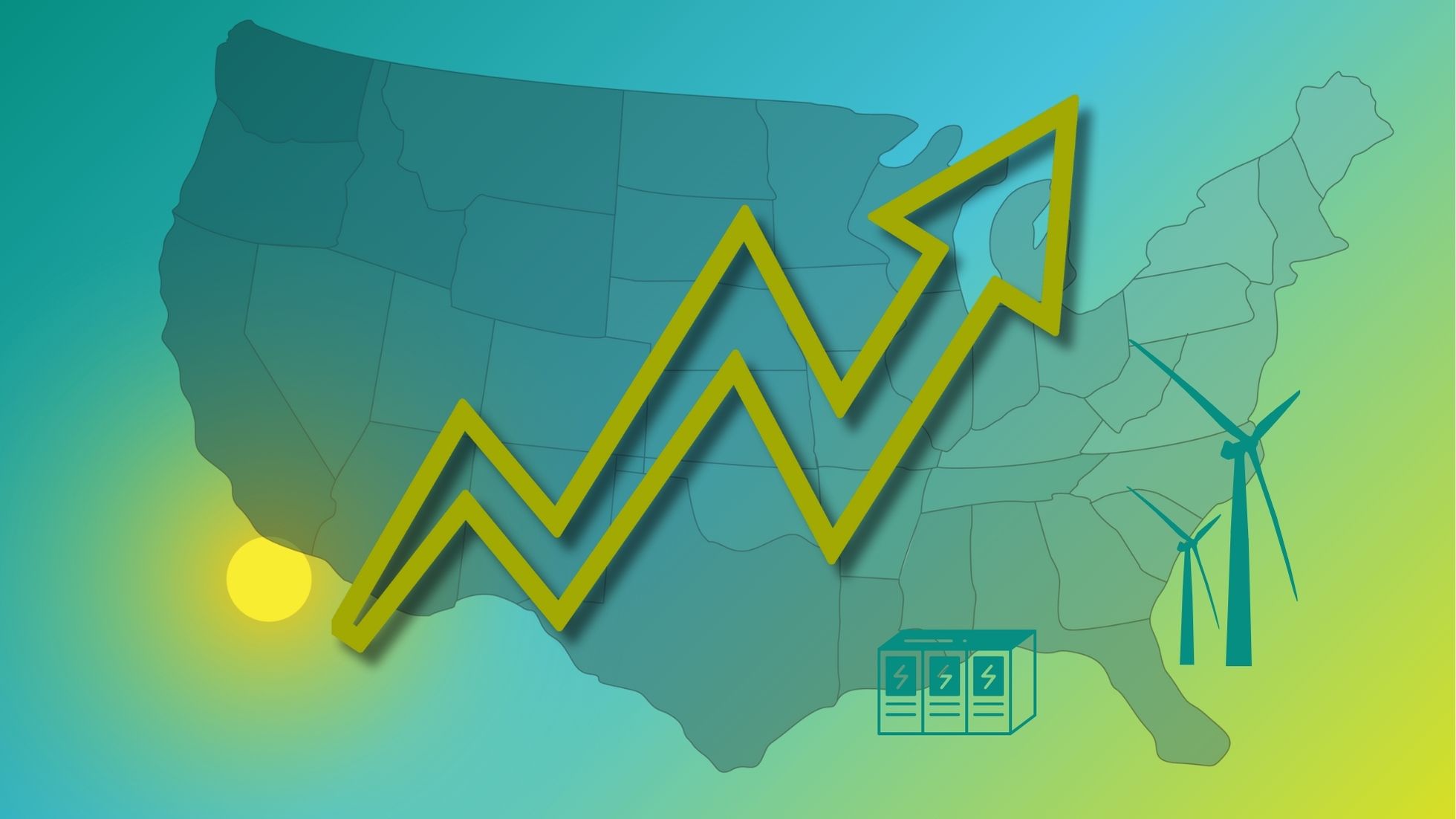
NERC now projects that U.S. peak electricity demand will rise dramatically between 2025 and 2035. Summer peak load is expected to increase by approximately 224 gigawatts (GW)—nearly 70% higher than last year’s forecast. Winter peak demand is projected to grow by 245–246 GW over the same period.

In practical terms, this translates to a 20–25% increase in nationwide peak demand over the next decade—an extraordinary shift for a grid originally planned around much slower growth.
What’s driving this surge is not population growth alone, but the rapid expansion of energy-intensive technologies and industries. NERC highlights several major contributors:
- Large data centers supporting artificial intelligence, cloud computing, and the broader digital economy.
- Electrification of transportation and widespread adoption of EV charging.
- Electrification of buildings, especially electric heating systems.
- New industrial facilities and reshoring of manufacturing activity.
Importantly, NERC notes that even these projections are conservative, reflecting only projects well advanced in development.
Winter Is the New Stress Test
One of the most significant shifts highlighted in the report is the growing importance of winter peak demand. For many regions, winter load growth now outpaces summer load growth—a reversal of long-standing patterns that prioritized summer air-conditioning peaks.
This emerging “winter stress” has profound implications for reliability planning and resource adequacy across the U.S. grid.
Capacity Shortfalls Loom Across the U.S.
The challenge is not only rising demand but also lagging capacity additions. NERC warns that 13 out of 23 assessment areas across North America may face capacity shortfalls within the next decade.
Several regions stand out:
- MISO (Midcontinent): Rapid load growth and retirements risk shortages before new capacity fully comes online.
- PJM (Mid-Atlantic): Projected margins fall below reliability targets by the late 2020s unless new resources accelerate.
- ERCOT (Texas): Huge load increases from data centers and industry heighten risk, especially in winter and evening peaks.
- Western U.S. (WECC): Rising demand coupled with coal retirements creates reliability stress in parts of the Northwest and Rocky Mountain regions.
Media outlets covering the report emphasize that over half of U.S. electricity customers could be in regions with elevated reliability risk in the coming years.

Why the Grid Is Struggling to Keep Up
At the heart of the challenge is a timing mismatch between retiring resources and new capacity additions.
Coal plants and older nuclear facilities—sources of around-the-clock, weather-independent generation—are retiring faster than reliable replacements come online. Meanwhile, most new capacity being developed is solar, wind, and battery energy storage.
These resources are vital for decarbonization goals, but they present reliability challenges:
- Solar produces little or no power during winter evening peaks.
- Most utility batteries today provide only four hours of duration, which is insufficient for multi-day cold snaps.
NERC cautions that simply replacing retiring fossil generators with equivalent megawatts of solar and short-duration storage is not enough—duration and timing matter for reliability.
Fuel infrastructure adds another layer of risk. As natural gas fills gaps left by retirements, the grid becomes increasingly reliant on just-in-time gas delivery, which can be vulnerable during winter gas shortages when heating demand spikes.
Transmission bottlenecks also constrain flexibility. Although thousands of miles of new high-voltage transmission are planned, delays and limited interregional connectivity make it harder to move power where it’s needed most.
Energy Storage Steps Into a Central Role
Against this backdrop, battery energy storage is emerging as one of the most important reliability tools. NERC’s report and related media coverage note that battery capacity in interconnection queues now rivals that of solar, with both technologies accounting for a large share of proposed additions.
In Texas, for example, battery deployment has grown dramatically, helping grid operators during severe winter events—though storage duration remains a key constraint.
NERC stresses that while batteries enhance flexibility and operational response, they cannot fully replace firm capacity without complementary solutions like demand response and longer-duration resources.
NERC’s Action Plan for Grid Reliability
While the assessment paints a sobering picture, NERC also outlines a clear set of recommendations to address rising demand and tightening reliability margins:
- Accelerate new resource additions including renewables, storage, and flexible generation.
- Manage plant retirements carefully to ensure adequate capacity remains until replacements are operational.
- Leverage demand-side flexibility, treating large loads like data centers and EV fleets as grid resources that can participate in demand response.
- Streamline permitting and siting to reduce project delays for generation and transmission.
- Expand and modernize the grid, including transmission build-out, advanced inverter capabilities, and better gas-electric coordination.
- Improve planning and risk assessment using probabilistic and wide-area models to anticipate extreme scenarios more effectively.
A Narrow but Achievable Path Forward
NERC’s January 2026 assessment delivers a stark warning: U.S. electricity demand is climbing so fast that without swift intervention, several regions could face energy shortages and reliability emergencies within a few years. Yet the report underscores that these are risks on the horizon, not certainties—and that proactive measures taken now can avert the worst outcomes.
By accelerating clean energy and storage deployment, modernizing grid infrastructure, engaging demand-side solutions, and removing barriers to investment, the industry and policymakers can support both the reliability and sustainability of the U.S. power system even as it undergoes historic growth.
References
- North American Electric Reliability Corporation (NERC).
2026 Long-Term Reliability Assessment. January 2026.
https://www.nerc.com/our-work/assessments - Power Magazine.
NERC Warns Long-Term Grid Reliability Risks Are Mounting as Demand Surges.
https://www.powermag.com/nerc-warns-long-term-grid-reliability-risks-mounting-from-surging-demand-lagging-resources/ - Utility Dive.
NERC’s 10-Year U.S. Peak Power Demand Forecast Jumps on Data Center Growth.
https://www.utilitydive.com/news/nerc-10-year-peak-demand-forecast-jumps-24-on-new-data-center-loads/810955/ - ENERDATA.
Growth in North American Power Demand Could Outpace Supply, Says NERC.
https://www.enerdata.net/publications/daily-energy-news/growth-power-demand-north-america-could-outpace-supply-says-nerc.html - Electric Cooperative – National Rural Electric Cooperative Association (NRECA).
NRECA Calls for Swift Action to Address Worsening Grid Reliability Outlook.
https://www.electric.coop/nreca-calls-for-swift-action-to-address-worsening-grid-reliability-outlook - Barron’s.
How Battery Storage Helped Keep the Lights On During Extreme Cold.
https://www.barrons.com/articles/power-outage-supply-cold-weather-acbce6a2 - Deloitte.
2025 Power & Utilities Industry Outlook.
https://www.deloitte.com/us/en/insights/industry/power-and-utilities/power-and-utilities-industry-outlook.html - ERCOT.
ERCOT Grid and Market Reports – Energy Storage and Peak Demand Trends.
https://www.ercot.com/gridinfo/resource - Federal Energy Regulatory Commission (FERC).
Transmission Planning and Interregional Coordination.
https://www.ferc.gov/electric-transmission