








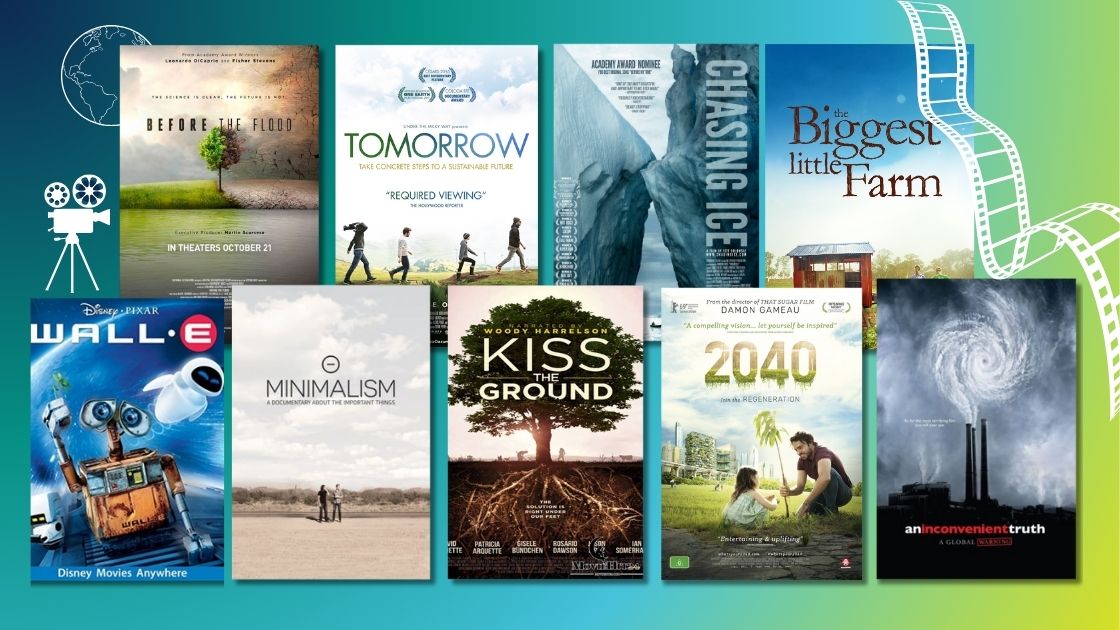
Stories shape how we understand our planet — and few storytelling mediums are as emotionally powerful as film. Whether you’re new to climate issues or deep into sustainability work, the right documentary (or even an animated feature) can shift perspectives, spark action, and inspire hope.
Below is a curated list of 10 essential sustainability films that explore climate change, food systems, regenerative agriculture, consumption, and the future of our planet. Each one offers something unique: gripping science, beautiful cinematography, personal narratives, or solutions-oriented optimism.
Together, they form a powerful watchlist for anyone who wants to understand the environmental challenges we face — and the possibilities for a better, more sustainable future.

Before the Flood (2016)
Best for: First-time viewers and broad audiences.
Few climate documentaries have reached mainstream audiences as effectively as Before the Flood. Produced by Leonardo DiCaprio, the film weaves together climate science, politics, and economics in a way that is both digestible and deeply compelling. It takes viewers around the world to witness melting ice caps, rising seas, burning forests, and the industry forces that accelerate environmental decline.
What makes it powerful isn’t just the urgency — it’s the accessibility. If you’re introducing someone to climate issues for the first time (a colleague, a friend, a student), this is where to start.
Where to watch:
- Streaming: Disney+
- Available to buy/rent: Amazon Video, Apple TV, Fandango At Home
- Other options: Netflix also lists the film in its catalog
Kiss the Ground (2020)
Best for: Food systems, land use, and hopeful climate action.
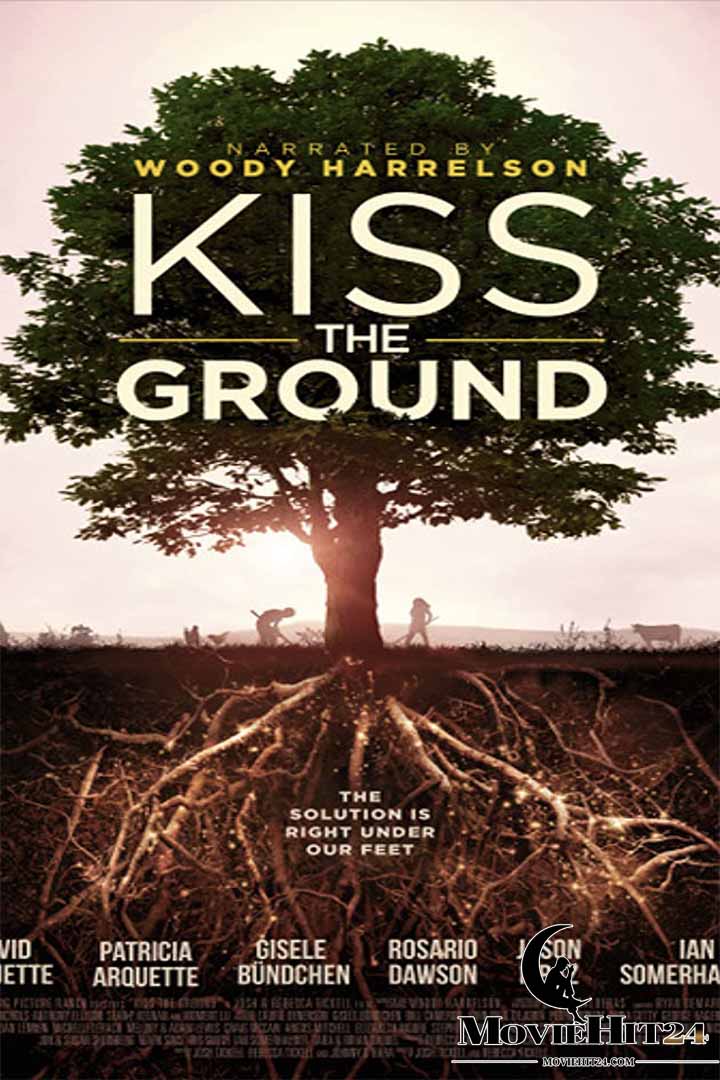
In a genre often dominated by doom, Kiss the Ground stands out for its optimism. This documentary centers on regenerative agriculture and the incredible potential of soil to reverse climate change. Yes — soil.
Featuring farmers, scientists, and activists, the film explains how healthier soil can sequester carbon, improve food security, and restore ecosystems. It’s a hopeful, solutions-forward narrative perfect for anyone working in sustainability, food systems, or community programs.
Where to watch:
- Streaming: Amazon Prime Video (with or without ads)
- Also on: Netflix
2040 (2019)
Best for: Optimism, systems thinking, and family-friendly viewing.
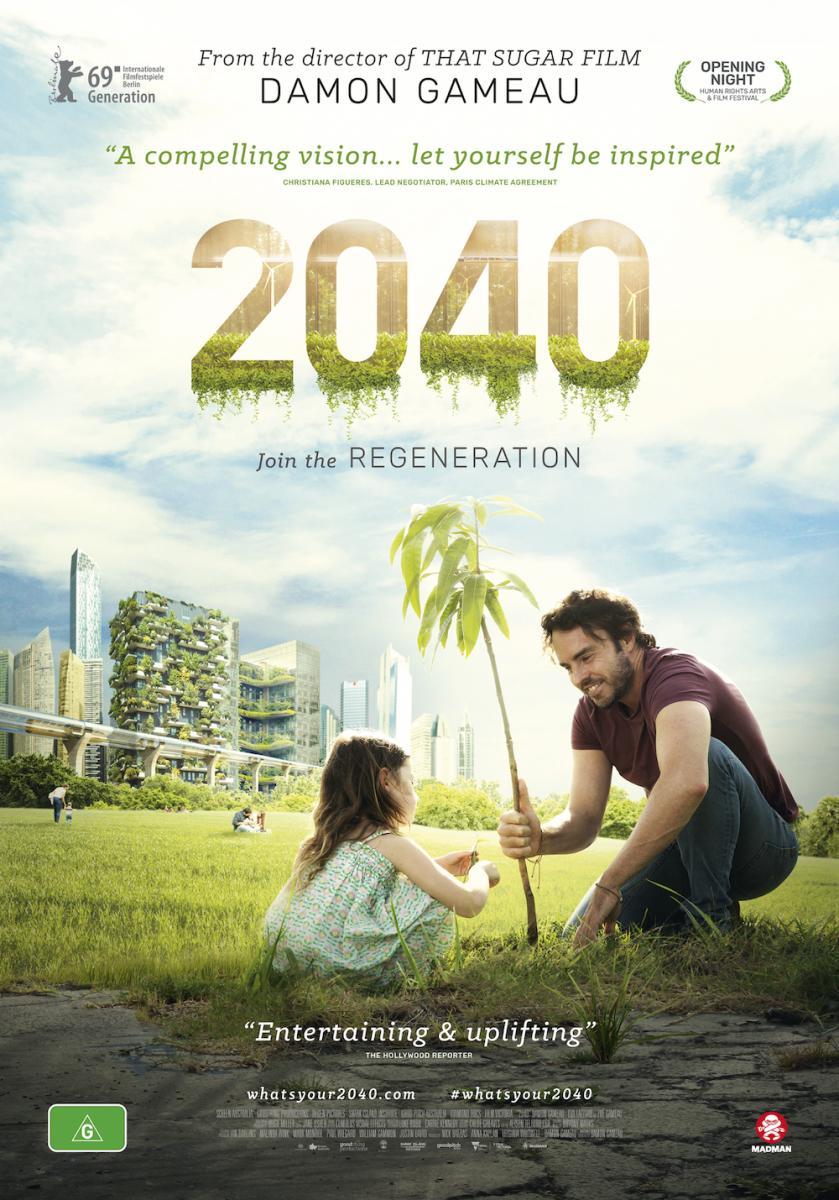
Part documentary, part visual essay, 2040 asks a powerful question: What if we simply scaled the solutions that already exist? Instead of centering catastrophe, the film explores solar energy, regenerative agriculture, ocean restoration, and community-based innovations that could transform the world by — you guessed it — 2040.
Its positive tone makes it accessible for viewers of all ages. For organizations struggling to communicate complex sustainability strategies, this film is a masterclass in explaining systems-level change through storytelling.
Where to watch:
- Free streaming: Kanopy, Plex Player, Plex Channel
- Also available on: Tubi (free)
Looking for good reads? Check out our top ten list of books on sustainability »

An Inconvenient Truth (2006)
Best for: Historical context and climate literacy.
Before social media activism, before viral climate graphics, and long before mainstream ESG discussions, An Inconvenient Truth brought climate science into everyday conversation. Al Gore’s landmark film remains foundational for understanding how public climate awareness evolved.
For sustainability professionals, revisiting it offers perspective on how far public discourse has come — and how far it still needs to go.
Where to watch:
- Streaming: MGM+ Amazon Channel, MGM Plus Roku Premium Channel, Philo
- Buy/rent: Amazon Video, Apple TV, Fandango At Home
- Also on: Netflix catalog listing
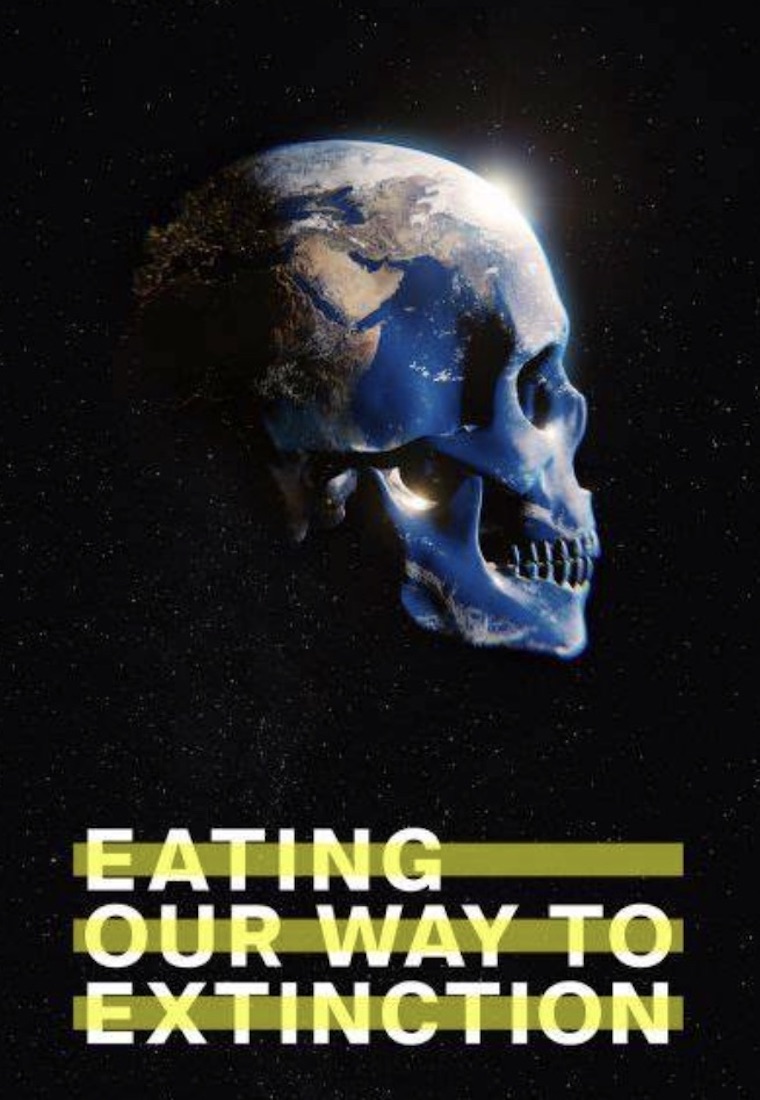
Eating Our Way to Extinction (2021)
Best for: Biodiversity, deforestation, and food choices.
Narrated by Kate Winslet, this global documentary investigates the environmental impact of industrial animal agriculture. Through on-the-ground reporting from the Amazon to Southeast Asia, it highlights how food choices intertwine with biodiversity loss, land degradation, and cultural resilience.
Viewers come away with both a broadened worldview and a new sense of urgency around food system transformation.
Where to watch:
- Streaming: Amazon Prime Video, Gaia Amazon Channel, Pluto TV, The Roku Channel, Kanopy, Tubi, Hoopla, Fawesome
- Rent/Buy: Amazon Video, Apple TV, Fandango At Home

Tomorrow (Demain) (2015)
Best for: Local action, community resilience, and inspiration.
This French documentary explores grassroots sustainability solutions across multiple countries — from urban agriculture cooperatives to decentralized renewable power to innovative schools. Its message is clear: local action matters.
Unlike top-down climate narratives, Tomorrow celebrates communities that aren’t waiting for national policy to make change. It’s an inspiring choice for civic leaders, nonprofits, and teams focused on community partnerships.
Where to watch:
- Streaming: OVID, Pluto TV, Fandango At Home Free, Kanopy
- Rent/Buy: Amazon Video, Apple TV, Fandango At Home

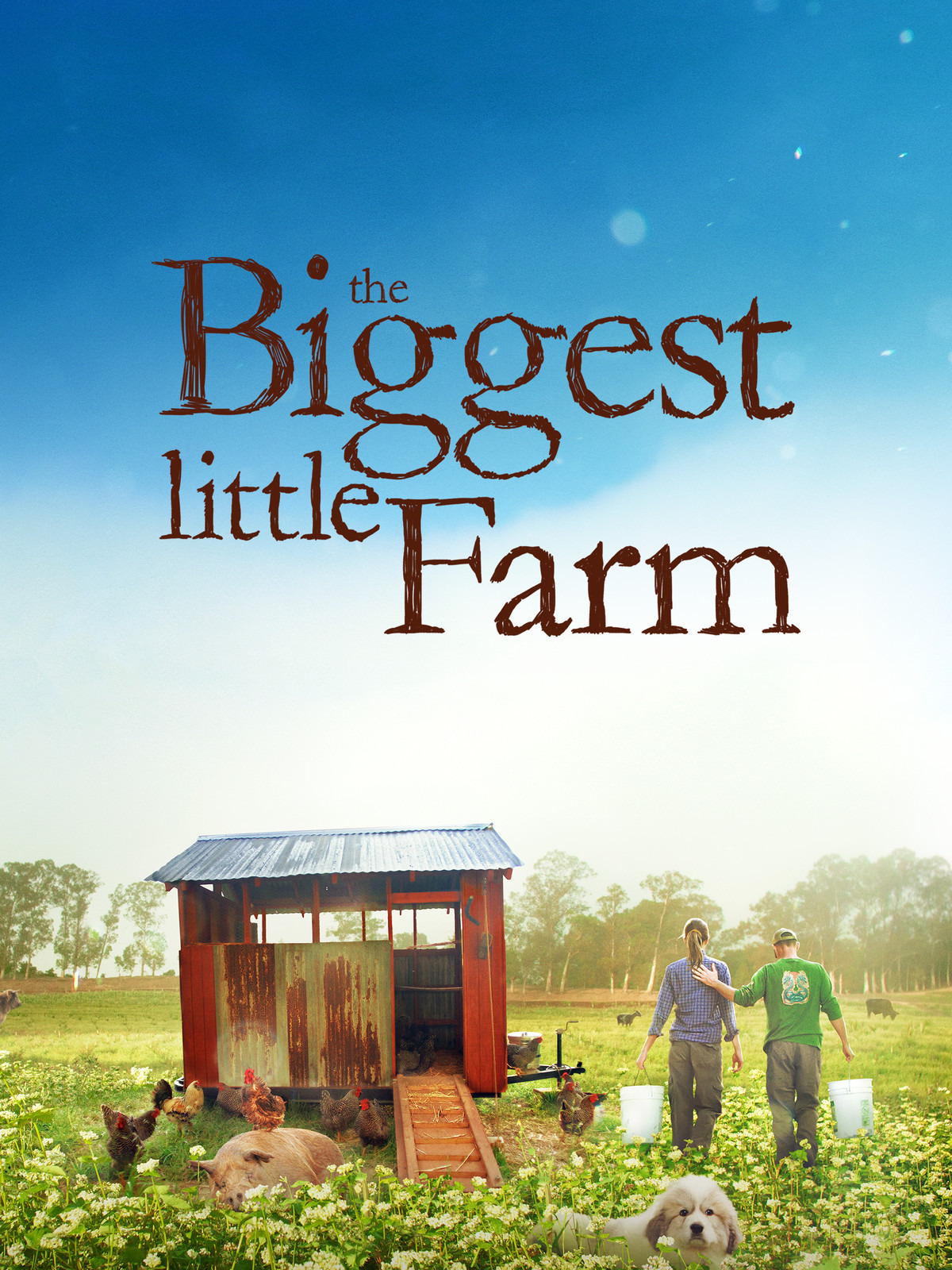
The Biggest Little Farm (2018)
Best for: Nature lovers and storytelling that sticks.
Equal parts documentary and heartfelt narrative, The Biggest Little Farm chronicles a couple’s journey to restore a degraded plot of land into a thriving regenerative farm. With gorgeous cinematography and moments of hard-earned triumph, the film reveals the delicate balance of ecosystems and the patience required to rebuild them.
It’s the kind of story that stays with you — long after the credits roll.
Where to watch:
- Streaming: Kanopy (free)
- Rent/Buy: Amazon Video, Apple TV, Fandango At Home
- Netflix availability in limited regions (e.g., Canada, Argentina, Mexico)
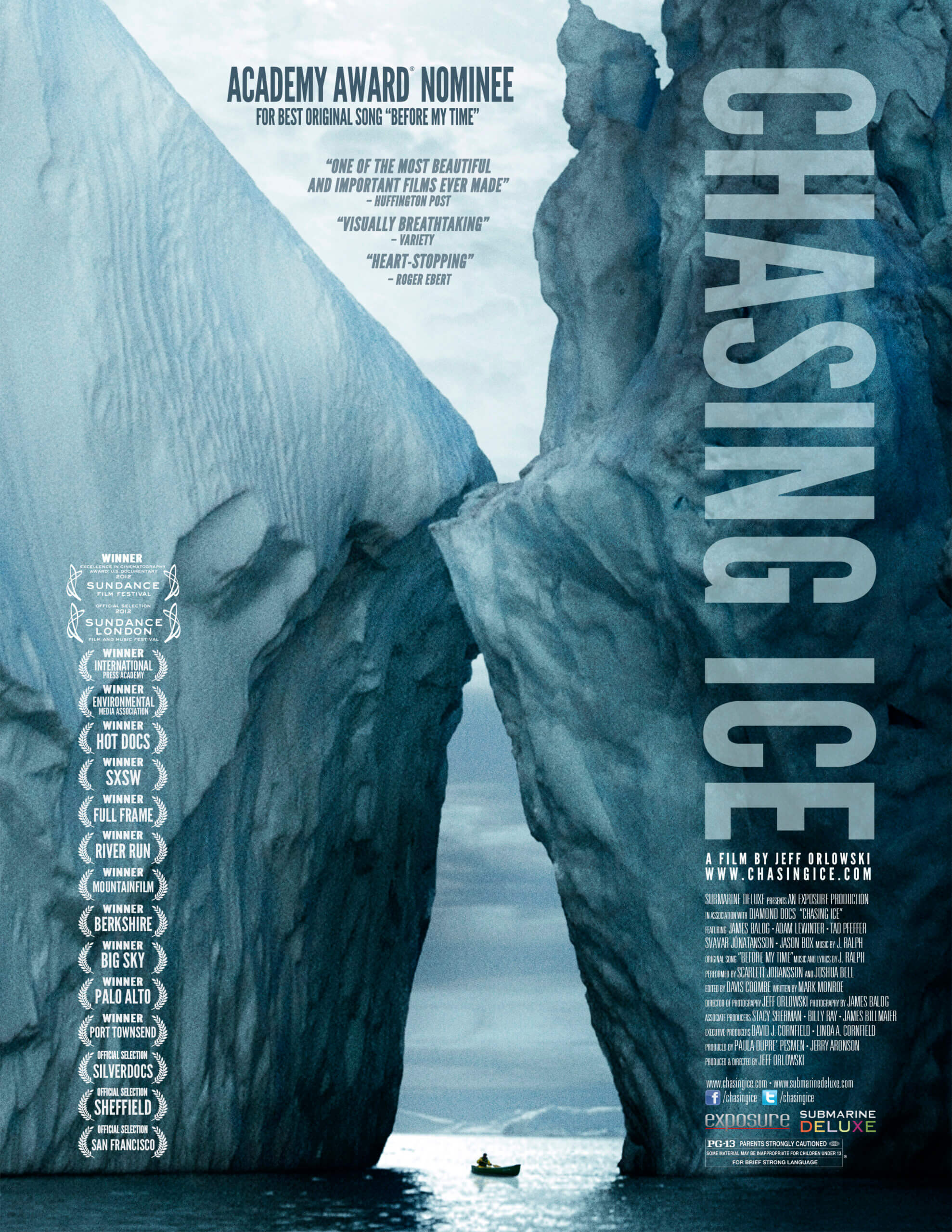
Chasing Ice (2012)
Best for: Making climate impacts tangible and undeniable.
Sometimes the most powerful data is visual. Chasing Ice follows photographer James Balog’s multi-year mission to capture time-lapse images of disappearing glaciers. What the documents is haunting, beautiful, and impossible to forget.
For anyone needing to communicate the real-world impacts of climate change — from policymakers to educators — this film offers visceral evidence.
Where to watch:
- Buy/Rent: Amazon Video, Apple TV
- Also on: Netflix catalog listing

Minimalism: A Documentary About the Important Things (2015)
Best for: Consumption, culture, and personal sustainability.
Though not a traditional “environmental” film, Minimalism examines the cultural forces behind overconsumption — and how simplifying our lives benefits both personal well-being and the planet. Through interviews with individuals who’ve embraced minimal living, it challenges viewers to rethink what “enough” really means.
It’s a gentle but powerful nudge toward more mindful consumption habits.
Where to watch:
- Streaming (free): Kanopy, Hoopla
- Rent/Buy: Amazon Video, Apple TV
- Also available: Full film on YouTube (official release) Watch on youtube.com

Wall-E (2008)
Best for: All ages; surprisingly deep sustainability themes.
This Pixar classic may be animated, but its environmental message hits hard. Set in a future smothered by waste and consumerism, the story of a small trash-compacting robot becomes a profound meditation on what happens when humanity disconnects from its planet.
Wall-E is a rare gift: entertaining for children, meaningful for adults, and a cultural touchpoint for sustainability conversations.
Where to watch:
- Streaming: Disney+
- Rent/Buy: Amazon Video, Apple TV, Fandango At Home
Final Thoughts: Films as Tools for Change
Sustainability challenges can feel overwhelming — but films help translate complexity into emotion, connecting viewers to the urgency and the possibility of change. Whether you’re educating your team, planning a community event, or simply looking for meaningful weekend viewing, these films offer a rich, inspiring starting point.